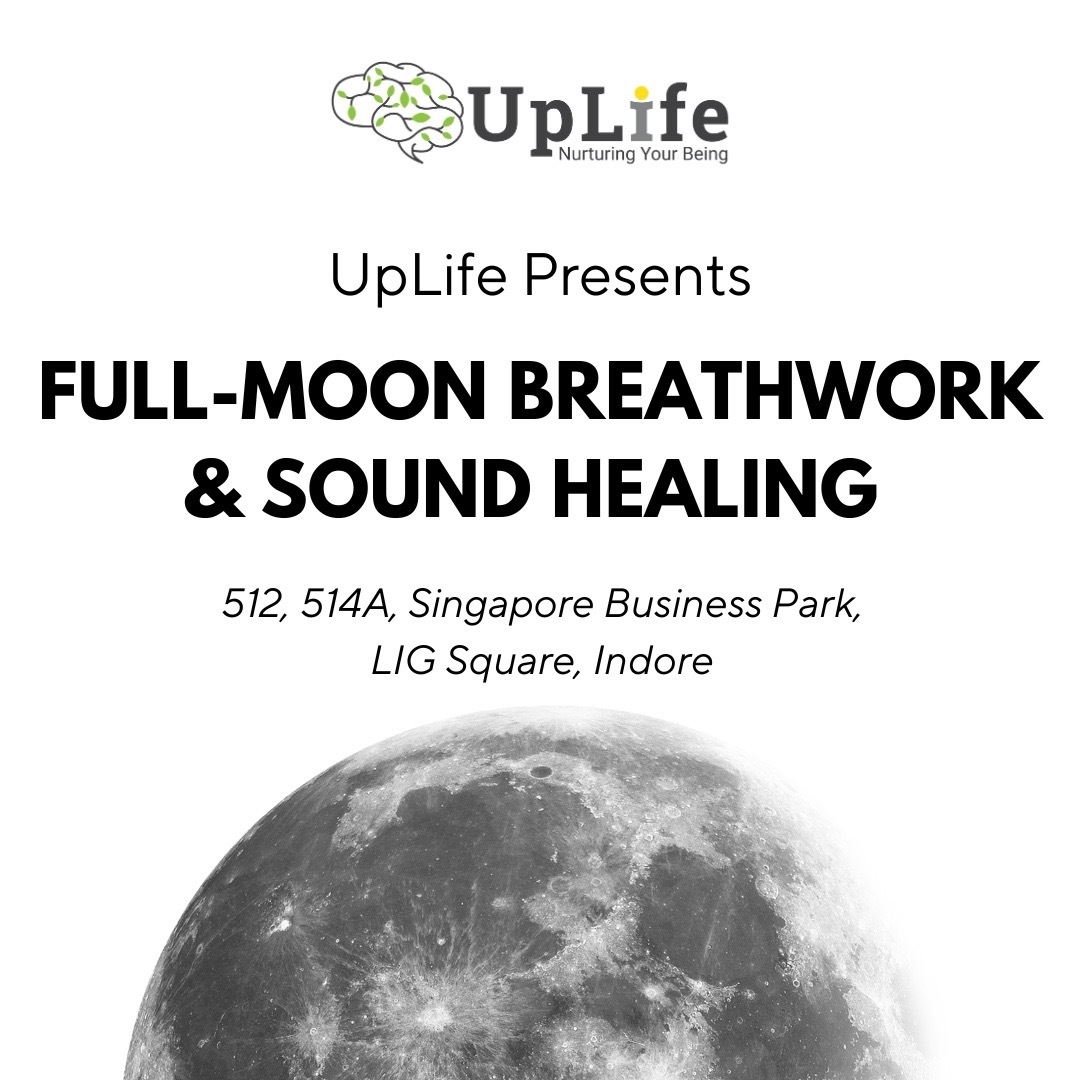
The Science of the Full Moon: Why This Session Exists
The human body is made of nearly 70% water, and just as the moon influences ocean tides, it also affects biological rhythms, sleep cycles, hormonal release, and emotional sensitivity.
Modern research in chronobiology and neuroscience shows that during a full moon:
Melatonin secretion reduces, affecting sleep quality
Emotional reactivity increases due to heightened limbic system activity
The nervous system becomes more sensitive to external stimuli
Subconscious material surfaces more easily
Ancient Hindu wisdom recognised this long before modern science. The moon, or Chandra, governs the mind (Mann). A disturbed lunar rhythm is said to create emotional instability, restlessness, and mental agitation.This is why yogic traditions prescribed specific sadhanas, fasting, silence, and meditation during full moon nights: not to amplify energy, but to stabilise it.